

Building Leadership Without Hierarchy, and Quality Without Compromise
When the decision was made to return to India in 2022 to build a manufacturing plant, no one in the core leadership team had ever run a factory. There were no production veterans in the room. No inherited shop-floor habits. No industrial playbooks. No legacy workflows to replicate. What existed instead was something far rarer — four decades of listening.- Listening to customers struggle.
- Listening to dealers fail.
- Listening to engineers debate.
- Listening to markets resist.
“There were no production veterans in the room. No inherited shop-floor habits. No industrial playbooks. No legacy workflows to replicate.”
The Leadership Journey Did Not Begin in a Factory
Leadership did not begin on a factory floor. It began on a sales floor. Seventeen years in industrial sales — rising from frontline engineering roles into national product responsibility — shaped something fundamental:- Understanding a problem mattered more than presenting a product.
- Listening mattered more than speaking.
- Relevance mattered more than persuasion.
This was not a market entry. This was market discovery. And discovery demands humility before it demands strategy.
When a Role Doesn’t Exist, the System Must Be Invented
In 2012, a regional leadership role was created that had never existed before — Asia Pacific. There was:- No regional office
- No team
- No dealers
- No customers
- No presence
- No template
16+ Countries
Over the next decade, the region grew into more than a quarter of global business, with active operations across 16+ countries.
At one point, manufacturing was planned outside India. Then COVID dismantled geography. Borders closed. Supply chains fractured. Certainties collapsed.
The future shifted inward. India became the answer. And the challenge changed — from building markets to building systems.
Building a Factory Without Manufacturing Experience
When the manufacturing facility was planned in Chennai in 2022, not one person in the core leadership team had ever run a production line. Not one. To many, this looked like a liability. It became the advantage. There were no inherited workflows. No fixed hierarchies. No industrial habits. No sacred cows. Every assumption was negotiable. And one quiet conviction: Systems outlast individuals. Cultures outlast strategies. What eventually rose in Chennai did not feel like a factory. Visitors called it a showroom. European colleagues said it didn’t feel like manufacturing. First-time walk-ins asked whether production had started yet. Machines stood in pristine white. Floors were uncluttered. Workstations were deliberate. Safety was visible, not enforced. The environment felt calm. Human. Dignified.Workstations were deliberate. Safety was visible, not enforced. The environment felt calm. Human. Dignified. That was not accidental.
This story is not about machines. It is about how leadership can be engineered — quietly, structurally, and humanly.
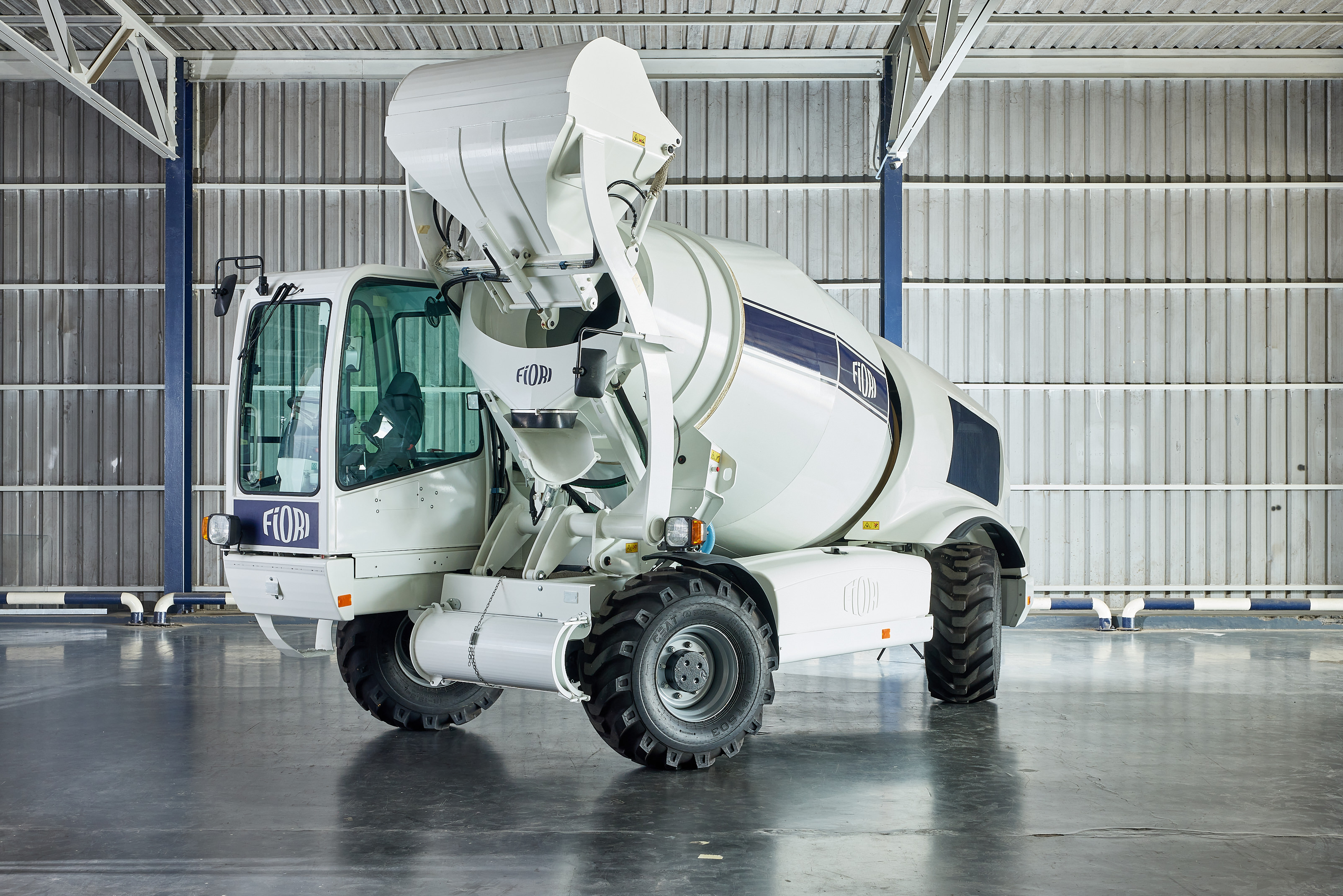
The Chennai facility — visitors consistently say it feels more like a showroom than a factory
No Bosses, Only Responsibilities
Instead of asking: How do we build a factory? The question became: What should the best possible workplace feel like? Not look like. Not function like. Feel like. From that question emerged three principles — not slogans, not posters, not HR frameworks — but structural behaviours:ZeroBureaucracy
ZeroFear
ZeroHierarchy
- Every role carries responsibility.
- Every individual carries ownership.
- Decisions are decentralized.
- Questions are welcomed.
- Disagreements are safe.
There are no “bosses” in the traditional sense. No positional power. No command culture.
Quality Was Not Enforced — It Was Designed
One mandate was uncompromising: Zero compromise on quality. Not for engines. Not for axles. Not for hydraulic systems. Not even for washers, nuts, or bolts.“There is no such thing as a small part in quality. Inconsistency anywhere is unacceptable everywhere.”
Quality was not treated as:
- A department
- A checklist
- A post-production activity
- A compliance requirement
Making Vendors Think Like You
The facility operates as an assembly-led manufacturing system. Components and fabricated structures come from Indian vendors — many of whom had never produced anything of this nature before. Producing to drawing is one thing. Producing to intent is another. One realization arrived quickly: making a vendor think like the factory is one of the hardest problems in manufacturing. So the team did something unconventional. They did not send audits. They did not send rejection reports. They did not escalate NCRs. They sent people.Engineers embedded inside supplier factories — not for days, but for months
Engineers were embedded inside supplier factories — not for days, but for months. Working alongside their teams. Redesigning processes. Reworking quality gates. Training inspectors. Rebuilding workflows.
Training programs were conducted at supplier sites — funded by the company — not as compliance exercises, but as capability investments.
Vendors were not treated as vendors. They were treated as extensions of the factory.
This was not cost-efficient. It was trust-efficient.
Scaling Without Losing Anything
At one or two machines per month, quality is manageable. At ten or twelve, quality is tested. Processes that survive low volume often fracture under scale.- Variation creeps in.
- Tolerance widens.
- Discipline erodes.
Scaling production without widening error margins
The real challenge of scaling is not increasing output. It is increasing output without increasing error. That is where most manufacturing systems break. That is where this one held.
A Factory That Feels Different
Visitors to the Chennai facility often say the same thing: “This doesn’t look like a factory.”- Machines stand in pure white — deliberately.
- Floors are clean — intentionally.
- Workstations are structured — consciously.
- Safety is visible — culturally.
Safety, Dignity, and Role Equality
Alongside quality, three non-negotiables were embedded:- Workplace safety
- Human dignity
- Role equality
- Empowerment.
- Accountability.
- Respect.
The Human Challenge Nobody Talks About
One challenge remains unresolved: Mechanical engineers. Most mechanical engineering graduates no longer want manufacturing careers. Software, IT, and AI dominate aspiration — and understandably so. The consequence is stark. Good mechanical engineers are now among the most expensive technical professionals in the market — often more costly than IT professionals with decades of experience. This is not a recruitment problem. It is a national capability problem. And it reinforces why dignity, empowerment, and culture matter — because manufacturing must become worth choosing.Leadership as System Design
What emerges is not a leadership style. It is a leadership architecture. One where:- People feel safe to think
- Teams feel free to experiment
- Failure becomes feedback
- Accountability becomes collective
- Control becomes unnecessary.
- Compliance becomes irrelevant.
- Engagement becomes intrinsic.